
From Spark to Scale: The Rightcharge Start-Up Story
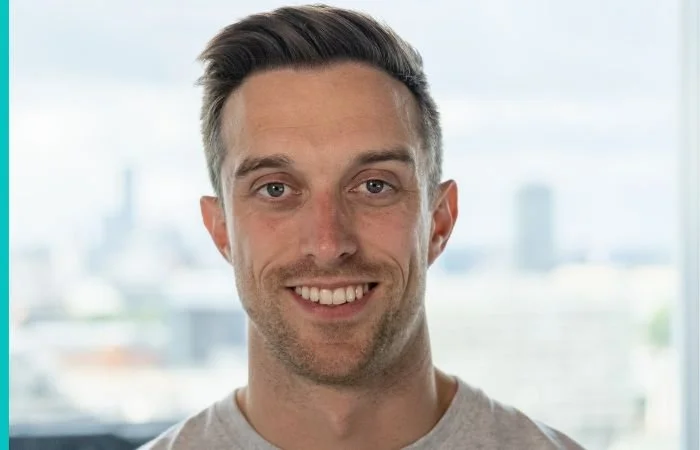
Charlie Cook, the founder of Rightcharge, joined Chris on the latest episode of Auto Futurecast to share his inspiring journey from civil engineering student to climate-tech entrepreneur.
Charlie's story offers a fascinating glimpse into the growth of a tech start-up. It began with his passion for tackling climate change, sparked during his university years, and a key turning point during his time at Octopus Energy. There, amidst the UK’s EV transition, he identified a major gap in the market.
In this episode, Charlie discusses the real challenges of fundraising, scaling, and finding the right product-market fit in the rapidly evolving electric vehicle space.
From Climate Awareness to a Business Idea
After a stint at CERN working on the next phase of the Large Hadron Collider, Charlie joined Octopus Energy through a chance connection. Starting as an intern at what was then a small start-up, he eventually became Head of EV Charging, launching the UK’s first EV-specific energy tariff and leading the largest domestic vehicle-to-grid demonstration project.
The Birth of Rightcharge
While working at Octopus Energy, Charlie noticed key issues:
· Inconsistent product descriptions from charge point providers
· Confusing pricing structures, making comparison difficult
· No unified tools to help EV drivers make informed choices
In response, Rightcharge launched as the UK’s first marketplace for home charge point installations, offering an easy-to-use comparison service for products and pricing. The platform connected customers with over 100 installation partners through a commission-based model.
The Pivot That Changed Everything
By 2023, despite partnerships with major brands like Mercedes-Benz and Lookers, low conversion rates threatened the business. Charlie faced a tough decision: pivot or shut down.
“I had to accept that something had to change, or the business wouldn’t survive,” he recalls. During a brainstorming session in Brighton, the team explored 10 potential directions. They unanimously chose to focus on payment aggregation for fleets, leading to a major restructuring and a 50% reduction in team size. This pivot ultimately revived the company.
Solving Challenges for Fleet Charging
Rightcharge now specializes in simplifying EV charging payments for fleets, addressing key pain points:
Public Charging: A Unified Approach
· One card for all public networks
· Simplified billing for fleet managers
· Better experiences for drivers
Home Charging Reimbursement: Streamlined Integration
· Direct data connections with charge points to track energy use
· Real-time tariff monitoring through energy supplier APIs
· Direct reimbursements to drivers’ energy accounts
“Fleets often reimbursed drivers in cash, but that money wasn’t always spent on energy. Later, drivers would face huge energy bills,” Charlie explains.
Market Timing and Climate Goals
The shift comes at the right time. A recent Alphabet study found:
· 92% of fleets track carbon emissions
· Only 18% feel they have the right tools
· 60% of UK EVs are purchased by companies, not individuals
Rightcharge supports clients like The AA by providing detailed carbon emissions data for charging sessions, helping companies meet 2025 and 2030 decarbonization goals.
Strengthening the Financial Case
Rightcharge’s report, “The Business Case for EVs 2024/25,” highlights that cost parity between diesel and EVs has already arrived for many fleets. Additional savings include:
· Basic EV adoption with home charging for immediate cost reductions
· Optimized tariffs to cut costs by up to threefold
· Vehicle-to-grid technology for future efficiencies
European Expansion
With a strong UK presence, Rightcharge is expanding into four European markets, aiming to operate in five countries by year-end. This expansion requires navigating different regulations, energy providers, and charge point networks, but unlocks a market five times larger than the UK.
Vehicle-to-Grid: The Next Frontier
Charlie predicts vehicle-to-grid (V2G) technology will be widespread by 2030. While current models are complex, Octopus Energy recently launched the UK’s first consumer V2G offering.
“By 2030, 70% of charging will happen at home, and 100 million people globally will need reimbursement for business-related charging,” Charlie projects. As V2G adoption grows, reimbursement systems will evolve to account for both energy consumption and contributions to the grid.
Lessons for Entrepreneurs
Charlie’s journey offers valuable insights for climate-tech start-ups:
1. Maintain independent income to focus on product-market fit
2. Validate conversion rates before scaling partnerships
3. Be prepared to pivot when growth stalls
4. Plan fundraising milestones around measurable targets
5. Explore international markets to expand your reach
Looking Ahead
Rightcharge has grown from three employees post-pivot to a team of 12 full-time staff. Its focus on solving real problems positions it as a leader in transport decarbonization.
Reflecting on his experience, Charlie says, “The first two years were ridiculously tough—one day I’ll write a book about it.” But for founders tackling meaningful challenges with scalable solutions, the rewards far outweigh the struggles.
Stay Updated
Catch new episodes of Auto Futurecast every two weeks. Subscribe on YouTube or your favorite podcast platform to stay informed!
Guests
Discover guests from our podcast episodes.


Auto Futurecast explores the trends and technologies transforming the automotive industry. Hosted by Chris Kirby of Tomorrow’s Journey, it features industry leaders tackling key issues shaping mobility.




Powered by the leaders shaping automotive
Featuring and supported by leaders redefining the future of automotive and mobility.

Industry-leading mobility SaaS platform transforming how dealers and OEMs operate.

Global professional services firm managing risk and people decisions across 120 countries.